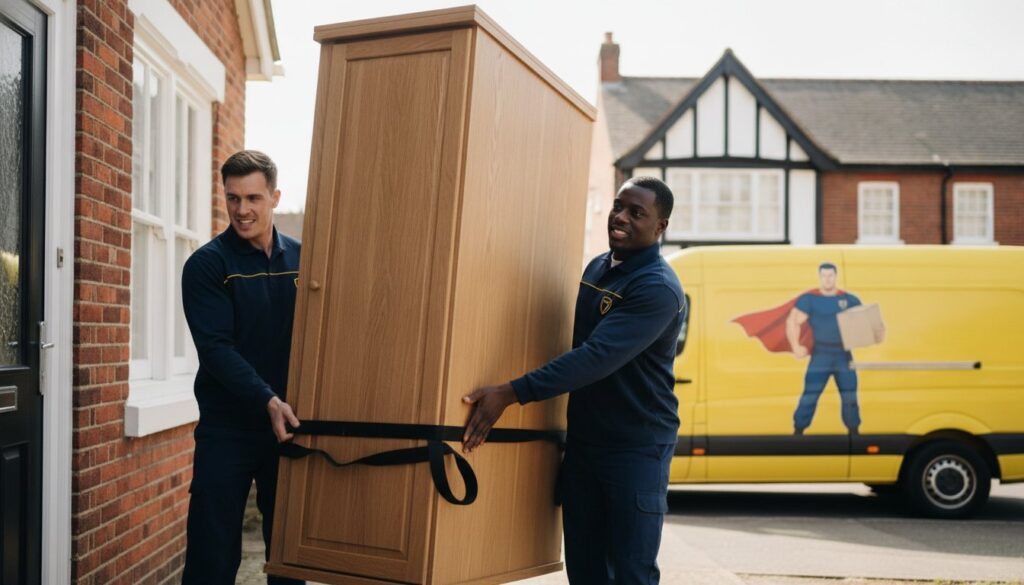
Have you ever stared at a solid oak wardrobe and wondered if your floorboards or your lower back would be the first thing to give way? It is a common anxiety; the fear of a single slip leaving a permanent gouge in your polished hardwood or, worse, a lasting injury to yourself. Finding the right moving heavy furniture tips is not just about brute force; it is about applying methodical precision to a high-stakes logistical challenge, especially when navigating the unique layouts of local homes.
Stability. We understand that your home is your sanctuary and your furniture represents a significant investment, which is why the thought of navigating tight staircases can feel overwhelming. In this expert guide, you will master the professional techniques and essential tools required to move your heaviest items whilst protecting your health and your property. We will provide a clear step-by-step plan for heavy lifting, identify which equipment is truly worth your investment, and help you decide with confidence when to handle a task yourself or when to call in a specialist team.
Key Takeaways
- Strategy. Shift your focus from brute strength to physics by mastering the leverage techniques that professionals use to protect their health.
- Preparation. Discover why dismantling furniture and meticulously measuring every doorway on your route is the secret to a scratch-free move.
- Equipment. Gain essential moving heavy furniture tips on which tools, such as sliders and dollies, are truly worth the investment to prevent property damage.
- Precision. Learn the exact mechanical manoeuvres, including the L-shape sofa turn, needed to navigate tight spaces with absolute confidence.
- Decision. Recognise the critical threshold between a manageable DIY task and a specialist project that requires professional expertise.
Why Moving Heavy Furniture Requires a Professional Strategy
Logic. Moving a solid mahogany sideboard or a heavy appliance isn’t a test of strength; it’s a puzzle of physics. Most DIY mistakes happen when people rely on adrenaline rather than mechanics. Effective moving heavy furniture tips start with a shift in perspective: stop thinking about muscle and start thinking about mechanics. Professional movers view every item as a unique challenge with its own centre of gravity and specific grip points. If you miscalculate the weight distribution, you aren’t just risking a scratched floor; you’re risking a serious injury.
Precision. A single moment of lost control can lead to a herniated disc or permanent damage to your home’s plasterwork. These aren’t just minor inconveniences; they’re costly setbacks. The “one-man-army” approach is particularly dangerous because it ignores the reality of stability. Without a second pair of eyes to spot your path or a second pair of hands to balance the load, a heavy wardrobe can quickly become an unstoppable force. Using the right material-handling equipment is essential to maintain control and ensure the safety of everyone involved.
The Risk Assessment: Should You Move It Yourself?
Evaluation. Before you lift anything, you must conduct a thorough risk assessment. Start by evaluating the weight; if a piece feels like it requires more than two people to stabilise, it’s time to consider professional help. Value is another critical factor. Irreplaceable antiques or delicate instruments like pianos require specialist handling that goes beyond basic moving heavy furniture tips. Finally, look at your environment. Steep staircases, narrow turns, and fragile flooring like Victorian tiles significantly increase the complexity of the move and the likelihood of an accident.
Protecting Your Health and Wellbeing
Preparation. Treat a furniture move like an athletic event. You wouldn’t run a marathon without warming up, and you shouldn’t lift a sleeper sofa with cold muscles. Spend five minutes stretching your hamstrings, back, and shoulders to prepare your body for the strain. Footwear is equally important; choose sturdy boots with excellent grip and toe protection to prevent slips and crush injuries.
Awareness. Know your limits and listen to your body. If you feel a sharp twinge or your grip begins to fail, pause and reassess your strategy immediately. It’s far better to set an item down and rethink the path than to push through and cause a lasting injury. Moving home is a journey, and maintaining your health is the most important part of reaching your destination safely.
Essential Preparation: Dismantling and Route Planning
Preparation. The success of a relocation is rarely decided during the lift itself; it is determined by the methodical steps you take before any weight is shifted. One of the most effective moving heavy furniture tips is to embrace dismantling as a mandatory requirement rather than a last resort. If a piece of furniture was originally assembled inside the room, it almost certainly needs to be deconstructed to exit safely. By reducing an item to its component parts, you significantly lower the risk of structural strain and make the physical task of carrying far more manageable.
Precision. Beyond the furniture itself, you must prepare the environment to act as a clear runway. Clearing the path involves more than just moving boxes; it requires the removal of loose rugs, low-hanging wall art, and any clutter that could catch a heel. Protecting the property is equally vital. Use heavy-duty floor runners to safeguard your carpets and apply corner guards to banisters or door frames to prevent permanent gouges in the woodwork. Taking ten minutes to secure these protections can save hours of repair work later.
The Art of Furniture Dismantling
Weight reduction is your primary objective during disassembly. Start by removing all drawers, internal shelves, and glass panels to make the main frame as light and stable as possible. To avoid the common frustration of lost components, place all screws and dowels into small, labelled bags and tape them securely to the underside of the furniture. Taking clear photographs of the joints and connections before you unscrew them will provide a vital reference for reassembly. If the complexity of deconstructing large wardrobes or bed frames feels overwhelming, our expert furniture assembly service can manage the technical details for you, ensuring every piece is handled with care.
Mapping the Route Through a British Home
Logistics. British architecture, particularly in historic areas of Worcester, often features narrow Victorian hallways and tight 90-degree landings that are unforgiving to bulky items. You must measure the width, height, and depth of your furniture and compare these figures against every doorway and turn on your route. Do not forget to account for protruding radiators or low light fixtures that could obstruct your path.
Identify your pivot points in advance. These are the specific areas, such as a hallway junction or a stairwell turn, where you will need to rotate the item or change its orientation. In some instances, removing a door from its hinges is the only way to gain the extra few centimetres needed for a clean passage. Planning these manoeuvres whilst the item is still on the floor prevents the physical exhaustion of trying to solve a spatial puzzle whilst supporting a heavy load.

The Best Tools for Moving Heavy Items Safely
Precision. Investing in the right equipment is always more cost-effective than repairing a gouged floor or visiting a physiotherapist. These moving heavy furniture tips focus on mechanical advantage, ensuring you work smarter rather than harder. When you use the correct tools, you transform a dangerous task into a controlled, predictable process. Professional movers rely on a specific kit of material-handling gear to maintain the integrity of both the item and the home, and having these items on hand can be the difference between a successful move and a costly accident.
Efficiency. Furniture sliders are perhaps the simplest yet most transformative tools in a mover’s kit. They work by significantly reducing friction, allowing you to glide heavy wardrobes or sideboards across a room with minimal effort. For long-distance transitions through the home or out to a van, the four-wheeled furniture dolly is indispensable. It shifts the burden of the weight from your muscles to a stable, rolling platform, which is particularly beneficial for solid items that don’t have natural grip points. By using a dolly, you keep the item’s centre of gravity low and stable, reducing the risk of it tipping during transit.
Choosing the Right Sliders for Your Floor
Selection. Choosing the correct slider depends entirely on your flooring material. Hard plastic versions are designed to glide over carpets, whilst felt-bottomed sliders are essential for protecting the delicate grain of hardwood or laminate. Felt-bottomed sliders are essential for protecting Worcester’s heritage timber floors from the abrasive pressure of heavy furniture legs. If you are in a pinch, thick towels on hard floors or sturdy cardboard on carpets can serve as temporary DIY alternatives, though they lack the stability of purpose-built equipment.
Dollies and Straps: When to Use Them
Application. A flatbed dolly is the perfect solution for square, stable items like a chest of drawers or stacks of heavy boxes. Simply tilt the item, slide the dolly underneath, and secure it if necessary. For more awkward lifts, shoulder dollies and forearm forklifts use your body’s strongest muscle groups, like your legs and core, to distribute weight. When tackling stairs, the “High-Low” method with lifting straps allows two people to maintain a more upright posture, which significantly reduces the strain on the lower back.
Safety. Never attempt to use lifting straps on a staircase without a dedicated spotter. Having a third person to guide your footing and warn of obstacles is a non-negotiable safety requirement for any complex lift. Straps can sometimes obscure your view of your feet, making the presence of a guide essential for navigating landings and steps safely.
Master the Mechanics: Safe Lifting and Carrying Techniques
Logic. Once you have prepared your route and gathered your tools, the success of the move rests on your physical execution. These moving heavy furniture tips move beyond simple lifting; they involve understanding the specific geometry of your items to use physics to your advantage. For instance, the “L-Shape” technique is the gold standard for sofas. By standing a sofa on its end and “hooking” it through a doorway in a curling motion, you can bypass narrow frames that seem impossible at first glance. Similarly, if you don’t have a dolly, you can “walk” heavy appliances by tilting them slightly and pivoting them on their front corners in a controlled, rhythmic motion.
Precision. For tall items like wardrobes or bookcases, the “High-Low” carry is the most stable method. By tilting the item at an angle so one person carries the top and the other carries the base, you lower the overall centre of gravity and make the item much easier to manage through doorways. Communication is the silent partner in this process. The person at the bottom of a staircase or leading the way through a corridor must act as the “captain” of the move, directing the pace and calling out obstacles that the person at the rear cannot see.
The Step-by-Step Guide to the Perfect Lift
Stability. Before you attempt to lift, ensure your stance is secure. Stand with your feet shoulder-width apart and one foot slightly forward to provide a solid base for balance. Squat deeply at the hips and knees whilst keeping your back straight and your chest out; this ensures the weight is distributed to your powerful leg muscles rather than your vulnerable lower back. Grip the item only at its strongest structural points, such as the solid frame, and avoid any delicate decorative trim that could snap. Lift in one smooth, controlled motion, keeping the item as close to your body as possible to maintain your balance.
Navigating Stairs and Corners
Control. Stairs represent the most significant challenge in any furniture move. In a two-person carry, the “Low-Man” role is the most demanding, as the person lower on the stairs naturally supports more of the weight. You can mitigate this by using moving blankets to “slide” items down steps in a slow, controlled manner, provided you have a secure grip and a spotter. For items that require specialist balance and technical expertise, such as piano movers worcester, the margin for error is non-existent. If the physical demands of these manoeuvres feel beyond your current comfort level, our professional house removals service provides the seasoned expertise needed to handle the heaviest loads with ease.
Knowing When to Call the Professionals in Worcester
Stability. Whilst mastering moving heavy furniture tips can empower you to handle smaller tasks, there is a clear threshold where DIY becomes a liability. The hidden costs of a self-managed move often outweigh the perceived savings. When you factor in the daily rate for van hire, the purchase of professional-grade equipment, and the potential for expensive repairs to your property, the professional alternative becomes far more attractive. A single slip with a heavy dresser can result in a repair bill for your flooring that far exceeds the cost of a specialist service; for those looking to undertake more significant home renovations or repairs, you can click here to learn about HMJ Contracting’s expertise. Your health is also a factor; a back injury sustained during a mismanaged lift can have long-term consequences that no amount of saved money can justify.
Carryall Transport: Your Local Heavy Lifting Experts
Confidence. We pride ourselves on being a dependable pillar of the Worcester community, acting as an empathetic problem-solver for every client. For those undertaking a full transition, our house removals Worcester service provides an end-to-end solution where every heavy item is handled with methodical precision. If you only need assistance with a few select pieces, our Man and Van Worcester option offers a cost-effective middle ground for single item deliveries. To ensure your belongings are fully protected before they even leave the room, our professional packing service utilises high-quality materials to secure every corner and surface, mitigating the risk of transit damage.
Final Checklist Before You Lift
Readiness. Before you commit to the physical strain of a move, run through this final safety check:
- Is the route completely clear of trip hazards, including pets and loose cables?
- Do you have a backup plan or a “safe zone” to set the item down if you become fatigued?
- Is your phone charged and accessible in case you need to call for support?
- Are you wearing the correct footwear and applying the moving heavy furniture tips regarding leg-based lifting?
Precision. If you have any doubts about the safety of a lift, it’s always better to pause and consult an expert. Contact Carryall Transport for a free quote today and let us transform your heavy move into a smooth, stress-free experience.
Achieve a Seamless Transition in Your New Home
Precision. Moving your heaviest belongings is a game of strategy where methodical preparation always triumphs over brute force. By applying the moving heavy furniture tips we have discussed, from dismantling complex frames to utilising the correct sliders for your specific flooring, you can protect both your physical health and your property. A successful move is defined by the care taken during the quiet moments of planning before the first item is ever lifted.
Reassurance. If the prospect of navigating a solid oak wardrobe down a narrow staircase still feels daunting, you don’t have to face it alone. With over a decade of experience in Worcestershire, our friendly local team acts as a stabilising force for your relocation. We are expert piano and bulky item specialists, providing the peace of mind that comes with being fully insured and meticulously trained. Whether you need a full-scale relocation or help with a single delivery, we are here to ensure your transition is handled with dedicated care. Get a Professional Removals Quote from Carryall Transport today and let us manage the logistics whilst you focus on settling in.
Frequently Asked Questions
How do you move heavy furniture on carpet without sliders?
Stability. You can use large pieces of smooth cardboard or heavy-duty plastic sheeting as an effective DIY alternative to purpose-built sliders. Simply place the material under the furniture’s legs or base to reduce the friction between the item and the carpet fibres. This allows you to glide the piece across the room with significantly less effort whilst protecting the carpet from snagging or tearing during the transition.
Can one person move a heavy sofa alone safely?
Caution. Attempting to move a heavy sofa alone is rarely advisable due to the high risk of personal injury and property damage. Sofas are often deceptively heavy and awkward to balance, which can lead to strained muscles or gouged walls if the item slips. If you must move one solo, always use furniture sliders or a dolly to maintain control, but we strongly recommend having a second person to assist with stability.
What is the easiest way to move a heavy wardrobe up stairs?
Dismantling the wardrobe into its component parts is the most efficient and safest way to manage a staircase move. If the item cannot be taken apart, the “High-Low” method is the best approach, where one person carries the top and another supports the base from below. This technique keeps the weight distributed more evenly and allows both movers to maintain a better grip whilst navigating the incline of the stairs.
How do you protect hardwood floors when moving heavy furniture?
Protection. Using felt-bottomed sliders is the most reliable way to prevent scratches and scuffs on polished hardwood or laminate flooring. For larger items, you can also lay down thick moving blankets or specialised floor runners to create a protective barrier. Always ensure the floor is clean before moving anything; even a small piece of grit trapped under a slider can act like sandpaper and cause permanent damage to your timber.
Is it better to push or pull heavy furniture?
Pushing is significantly safer and more effective than pulling because it allows you to use your body weight and leg power more efficiently. When you push, you can maintain a neutral spine and keep the item’s centre of gravity stable, which reduces the strain on your back and shoulders. Pulling often forces you into an awkward, twisted position that increases the likelihood of a muscle strain or a loss of balance.
What should I do if a piece of furniture gets stuck in a doorway?
Calmness. If an item becomes wedged, stop immediately rather than trying to force it through, which often leads to splintered wood or damaged plaster. Reassess the angle and check if rotating the piece into an “L-shape” or removing the door from its hinges provides the necessary clearance. Sometimes, simply removing the feet of the furniture or taking off a protruding handle is all that is required to create a smooth passage.
How do you move a piano without specialist equipment?
Precision. We strongly advise against moving a piano without specialist equipment like a piano trolley and heavy-duty straps. Pianos are not only extremely heavy but also incredibly delicate, with internal mechanisms that can be knocked out of alignment by a minor jolt. Because they are top-heavy and difficult to grip, attempting a DIY move without professional training often results in serious injury or irreparable damage to the instrument.
Do I need to take the legs off my dining table before moving it?
Yes, removing the legs is one of the most important moving heavy furniture tips for protecting the structural integrity of your dining table. Table legs are often the most vulnerable point during a move; they can easily catch on door frames or snap if the table is tilted at an awkward angle. Removing them also makes the table significantly narrower, allowing it to pass through hallways and doorways with much greater ease.